
Compassionate Breastfeeding Support & Tracking
Access expert lactation support, engage in virtual 1-on-1 classes, and manage your breastfeeding milestones with our high-end companion app.
Everything you need under one roof
Connecting state-of-the-art tech tools with gold-standard lactation medicine.
Virtual & In-Home Consults
Book directly with certified IBCLCs. Select from remote telephone/video options or personalized in-home prenatal and postpartum care visits.
Private 1-on-1 Classes
Prepare for birth, master nursing, and understand baby care. All sessions are scheduled privately 1-on-1 virtually for individualized care.
My Journey
Log feeding timers, pump sessions, stash metrics, and diaper outcomes. Syncs directly to your lactation consultant to optimize clinical guidance.
Open the App













Featured Guides & Insights
Read clinical wisdom and practical strategies curated by certified providers.

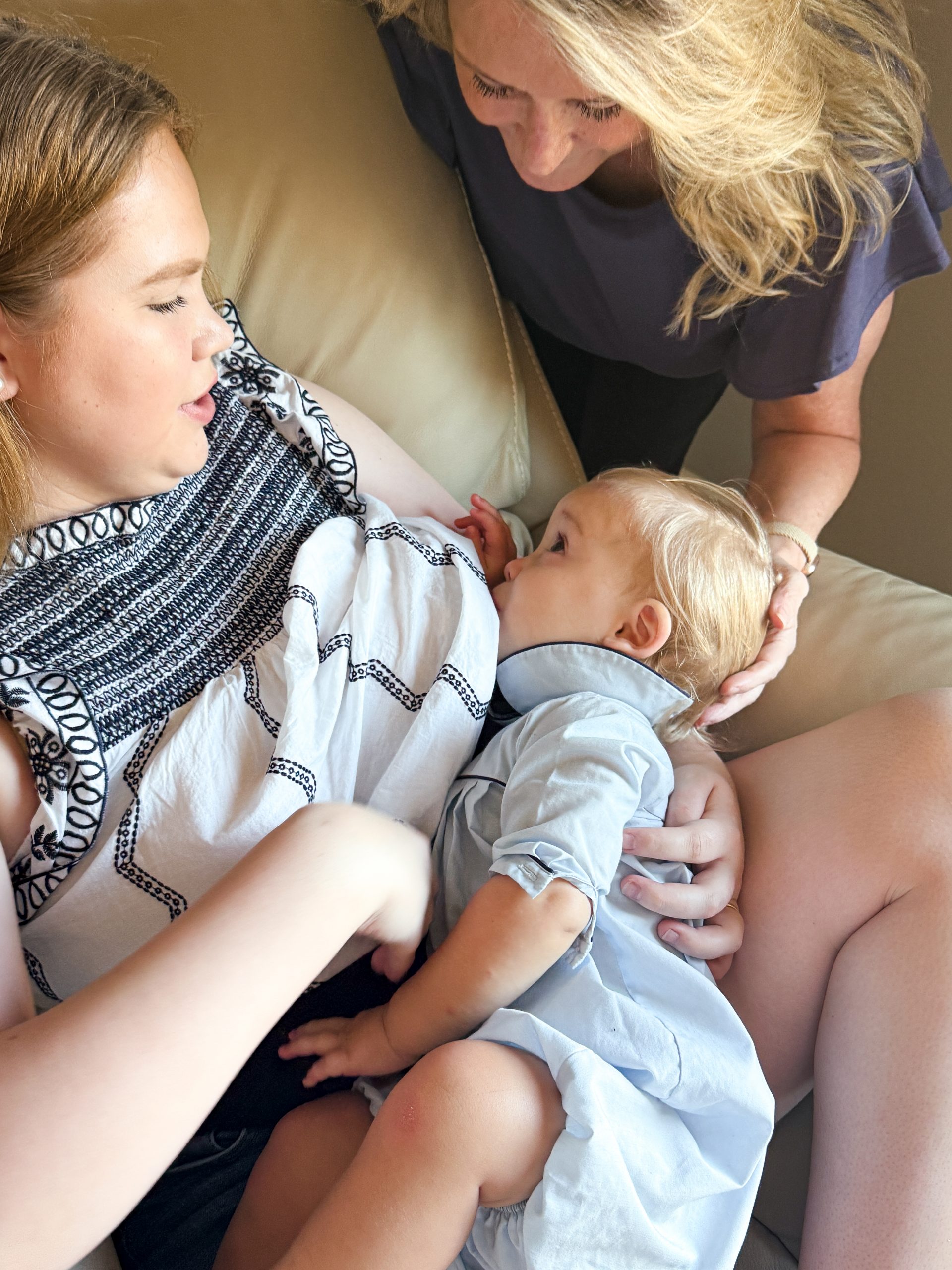
Weaning With Grace and Comfort
Click to read this comprehensive physical and emotional roadmap.

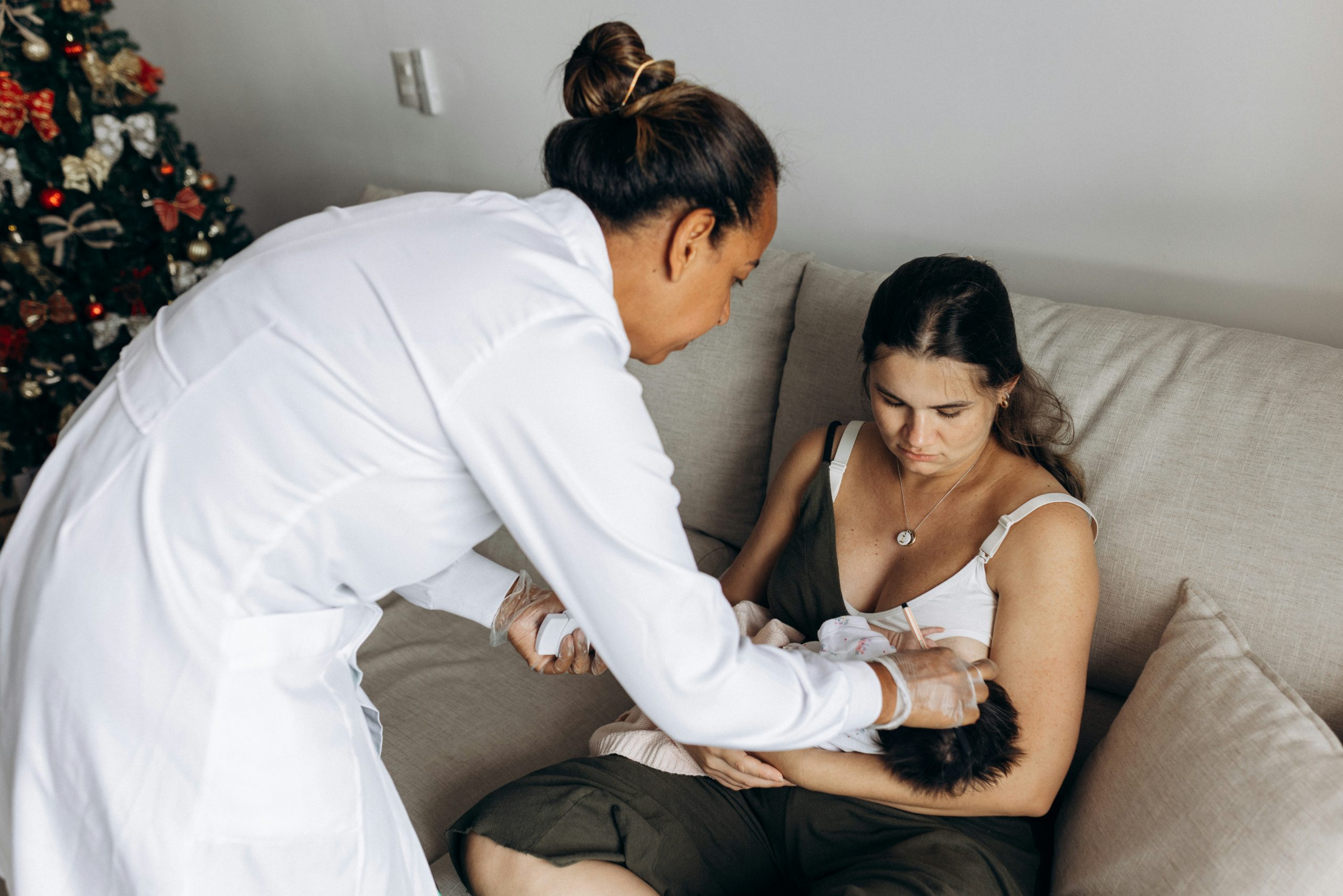
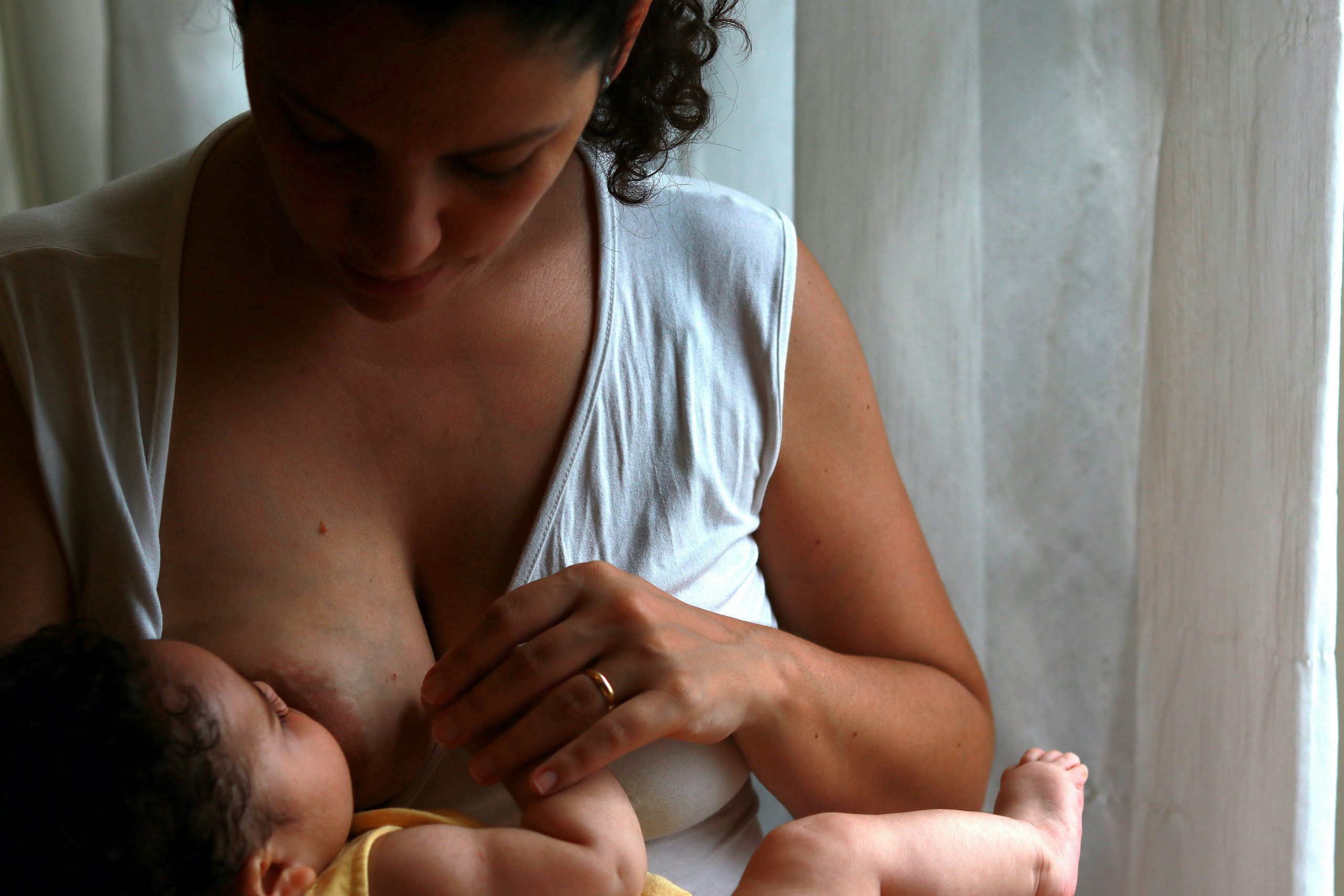
5 Tips for a Better Latch
Click to learn proper alignment rules and positions.

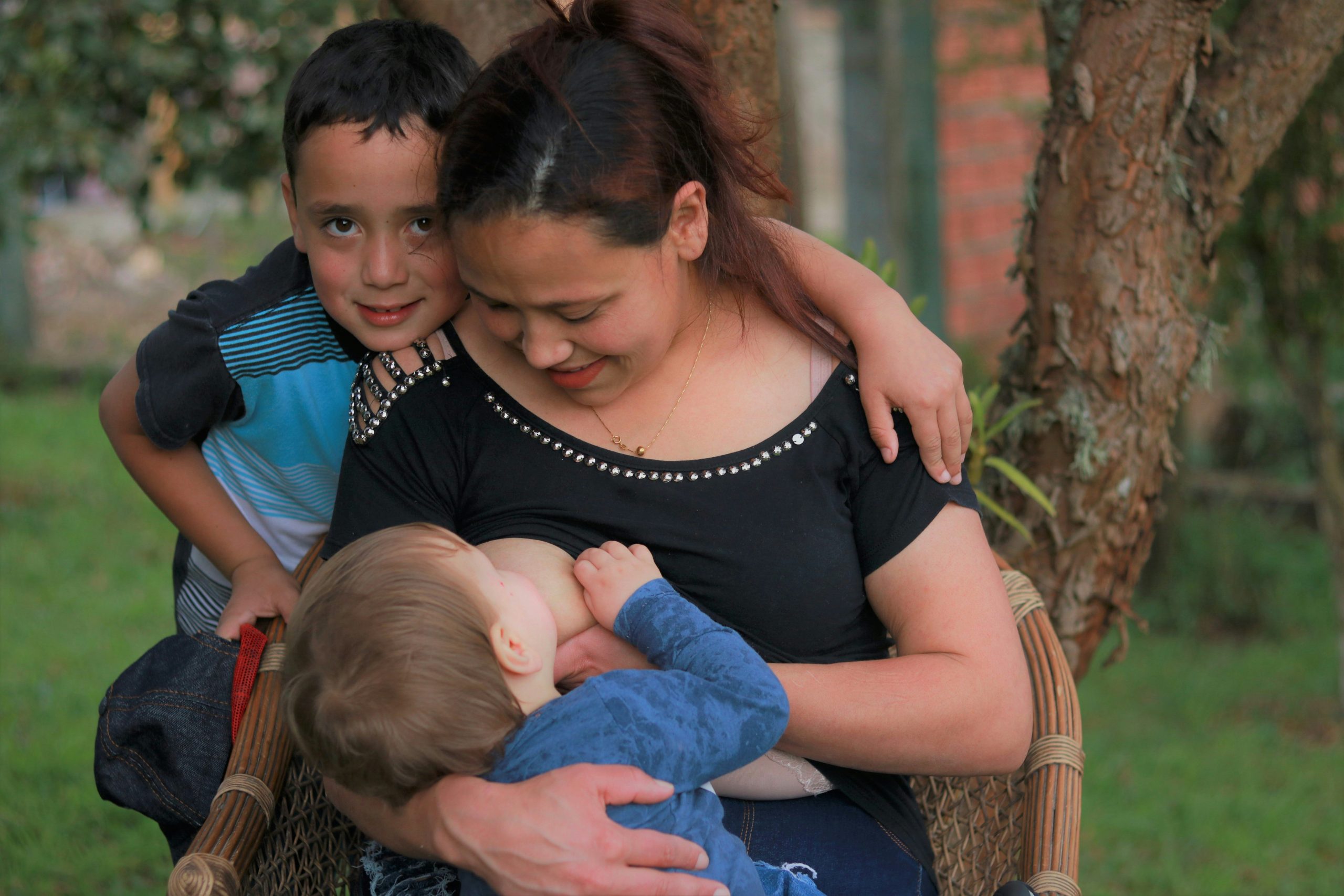
Postpartum & Breastfeeding Prep
Click to learn how to prep pump components and nursing stations.
Navigating the mental, physical, and nutritional transition away from breastfeeding gently for both mother and infant.
Weaning is a major milestone in your breastfeeding journey, and it often comes with a complex mix of emotions. Whether you are ready to wean completely or are considering partial weaning, the key is approach—taking things at a pace that supports both your body and your baby's emotional adjustments.
1. Gradual Transitioning: The safest way to wean is to drop one daily feeding session at a time, allowing 3-5 days before dropping another. This allows your milk supply to naturally adjust and prevents engorgement or clogged ducts.
2. Introduce Alternatives Early: If your baby is under 12 months, introduce formula or expressed breast milk in a bottle or cup during the dropped feeding session. For babies over 12 months, nutritious solid snacks or water can act as comfortable alternatives.
3. Extra Snuggles: Breastfeeding provides incredible emotional comfort. When you drop a feeding, replace that ritual with alternative bonding activities: skin-to-skin contact, storybook readings, or physical rocking.
A painless latch is achievable. Discover correct body positioning adjustments, flanged lip checks, and baby alignment styles.
A painful latch is often one of the first obstacles new obstacles mothers face. Fortunately, adjustments to positioning and technique can drastically improve comfort and intake.
1. Position Nose to Nipple: Point your baby's nose toward your nipple. This encourages them to tilt their head back, creating a wide-open mouth shape that allows them to take in a large portion of the areola rather than just the nipple tip.
2. Wait for the Wide Open: Avoid pushing your nipple into a closed mouth. Tickle their lips with your nipple until they present a wide yawn. Gently and securely bring their body to your breast, not the breast to the baby.
3. Check Flanged Lips: Once latched, ensure both the upper and lower lips are rolled outward (flanged). If they are tucked in, gently use a finger to massage them out.
Preparing your support circle, preparing pump components, and setting up ideal nursing stations before hospital discharge.
Preparing for postpartum breastfeeding while still pregnant can set you up for absolute peace of mind during those first critical weeks home.
1. Build Your Nursing Station: Select a comfortable chair and surround it with daily necessities. Keep a water bottle, nutritious high-energy snacks, phone charger, burp cloths, and nipple balms within easy physical reach.
2. Wash and Sterilize Pump Gear: If you plan to pump, wash and sterilize all accessories beforehand. Keep multiple flange sizes ready as breast size changes post-delivery.
3. Establish Boundaries: Prepare your partner and family members on how they can assist: preparing meals, cleaning bottles/pump gear, or taking shifts to hold baby while you recover.